

A collaboration between the Tse’k’wa Heritage Society and University of Northern British Columbia researchers is looking at accessibility through a broader cultural lens with support from new federal funding.
The project has received a $40,000 Social Sciences and Humanities Research Council Partnership Engage Grant to explore what accessibility and belonging mean from a Dane-zaa perspective at Tse’k’wa, an ancient cave site near Charlie Lake.
Dane-zaa ancestors have gathered at the site for more than 12,500 years to meet, share, rest and celebrate.
Three Dane-zaa First Nations — Doig River, Prophet River and West Moberly First Nations — came together in 2012 to purchase the property and establish the Tse’k’wa Heritage Society.
Since then, the society has made infrastructure improvements aimed at improving access to the site and creating opportunities for public education. Tse’k’wa was designated a National Historic Site by Parks Canada in 2019.
“Past leaders reclaimed this land because they knew it was important for our identity and for our future. We continued their work. We protected the site, built safe access, brought home the artifacts, and created programs so people could learn our stories, language, and culture,” said Tse’k’wa Heritage Society Board President and Doig River First Nation representative Garry Oker.
“We want to guide this work, so it remains culturally strong and connected to the Dreamers’ prophecies.”
The research grew out of conversations about accessibility work already taking place at Tse’k’wa and an interest in exploring what accessibility can mean beyond physical access.
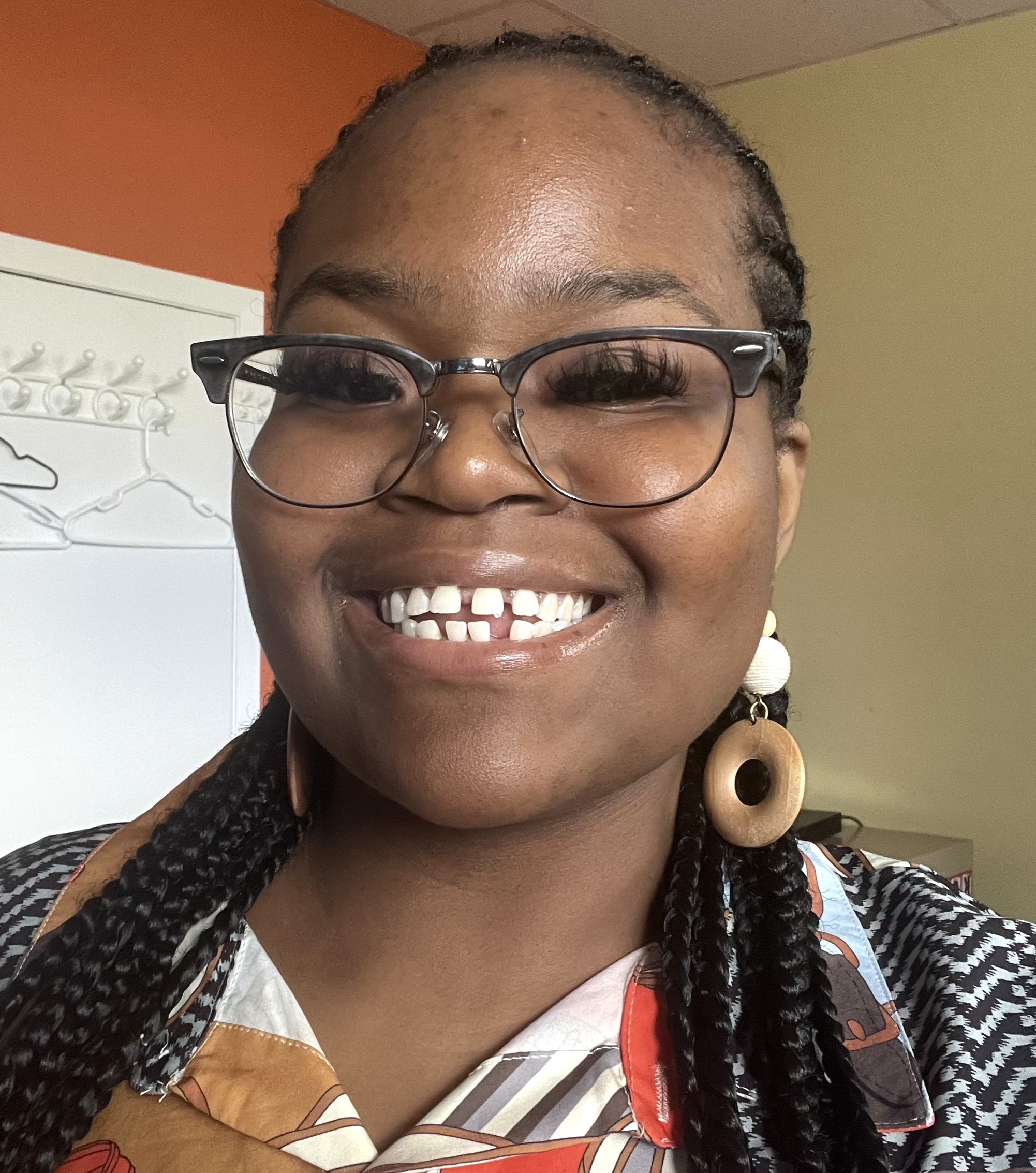
UNBC PhD student Mikhaila Carr first connected with the heritage society after learning about its work through a Dane-zaa friend. She later worked with Oker and Executive Director Alyssa Currie to develop a vision for accessibility-related research.
Carr has since visited Tse’k’wa and met community members at events including Doig Day, Treaty Days and West-Mo Days in 2026.
“The UNBC research team wants to listen, learn, and reflect on how accessibility is understood and practiced at Tse’k’wa, guided by the Tse’k’wa Heritage Society and Dane-ẕaa community members. I kept hearing about this incredible historical and cultural site that not only prioritized the physical accessibility of the site by implementing accessible trails and facilities but was also working to develop cultural teaching and learning opportunities to connect with both Dane-zaa and non-Dane-zaa people visiting the site,” said Carr.
“The goal of our project is to help surface where discussions of accessibility and belonging may take them in their future dreams for the site.”
The project will build on previous research completed by Tse’k’wa and will include interviews with Elders and knowledge holders from the three partner First Nations.
Researchers say accessibility is often viewed primarily through physical features such as ramps, accessible parking and washrooms. This project will instead explore how Dane-zaa connections to the site can inform a broader understanding of accessibility.
The SSHRC funding will support project operations, recognize participants for sharing their knowledge and create opportunities to share the findings with the Dane-zaa community and practitioners at relevant events and conferences.
The Tse’k’wa Heritage Society is also contributing more than $16,000 in in-kind support to the project.
“This collaboration has given Tse’k’wa an opportunity to reflect on the development of the site and consider how we would like to move forward with our accessibility work,” said Society Executive Director Alyssa Currie.
“It’s helped us broaden the ways we think about accessibility to include both physical and cultural components. Looking at the ‘big picture’ of accessibility is an investment to ensure that future Tse’k’wa development is in line with both the communities’ values and industry best practice.
“Mikhaila has become a familiar face at Tse’k’wa and I’m excited that this funding will support our continued partnership with UNBC.”
The society said the research will help inform future interpretive planning and cultural programming at Tse’k’wa, while exploring how members and visitors experience connection and belonging at the site.
“Indigenous peoples have unique perspectives about disability and accessibility,” said UNBC Department of First Nations Studies Associate Professor Dr. Rheanna Robinson, Carr’s co-supervisor for this project.
“This grant is an important opportunity to highlight culturally grounded insights on inclusion and belonging.”
Something going on in the Nechako Valley area you think people should know about?
Send us a news tip by emailing pgnews@vistaradio.ca.